They settled on a design for their commercial cool rooms, put it out for tender, and appointed a builder and refrigeration contractor. Then the changes started. It turned out that the plant room was going to be too small for the refrigeration equipment it needed to house. Then the insulation had to be replaced to prevent future mould and condensation problems. The essential equipment specified months ago then had a lead time longer than the build programme originally allowed. None of this was in the original plan, and if it had been, the project would have cost less and been completed on time.
This is what can happen when refrigeration and building contractors and engineers are brought in after the design is locked down, rather than while it’s still being shaped. The alternative, known in the industry as early contractor engagement, is straightforward: bring the people who will build and maintain the project into the conversation before, not after, the drawings are finished.
At White Refrigeration, we have found that the earlier we are called into a project, and the more involvement we have from the outset, the better the outcome is for everyone involved. That view is shared by Chris Reading, our Service Department Manager, who has seen both sides of the equation across dozens of projects.
Bringing your refrigeration contractor in early means they can advise on buildability, sourcing and contractor sequencing before decisions are set in stone, rather than working around them afterwards. Research out of the University of Canterbury has reached a similar conclusion. Following the Christchurch rebuild, engineers examined 288 projects delivered with and without early contractor input and found significant improvements in cost accuracy and cost performance where different trades were engaged at the right time, with complex projects benefiting the most. The pattern is consistent across markets: the earlier a contractor is involved, the closer the final cost tends to sit to the original budget.
Chris says you see this most clearly when there’s time to shop around. A contractor who is locked into a fixed quote late in the process has no room to negotiate on equipment or materials. That flexibility only exists when there’s lead time to use it.
“When you’ve got early engagement, you’ve got more time to plan around things. One of our suppliers didn’t have something in stock, so we had time to find an alternative that worked out cheaper. That’s the real benefit of early engagement: being able to pre-plan.”
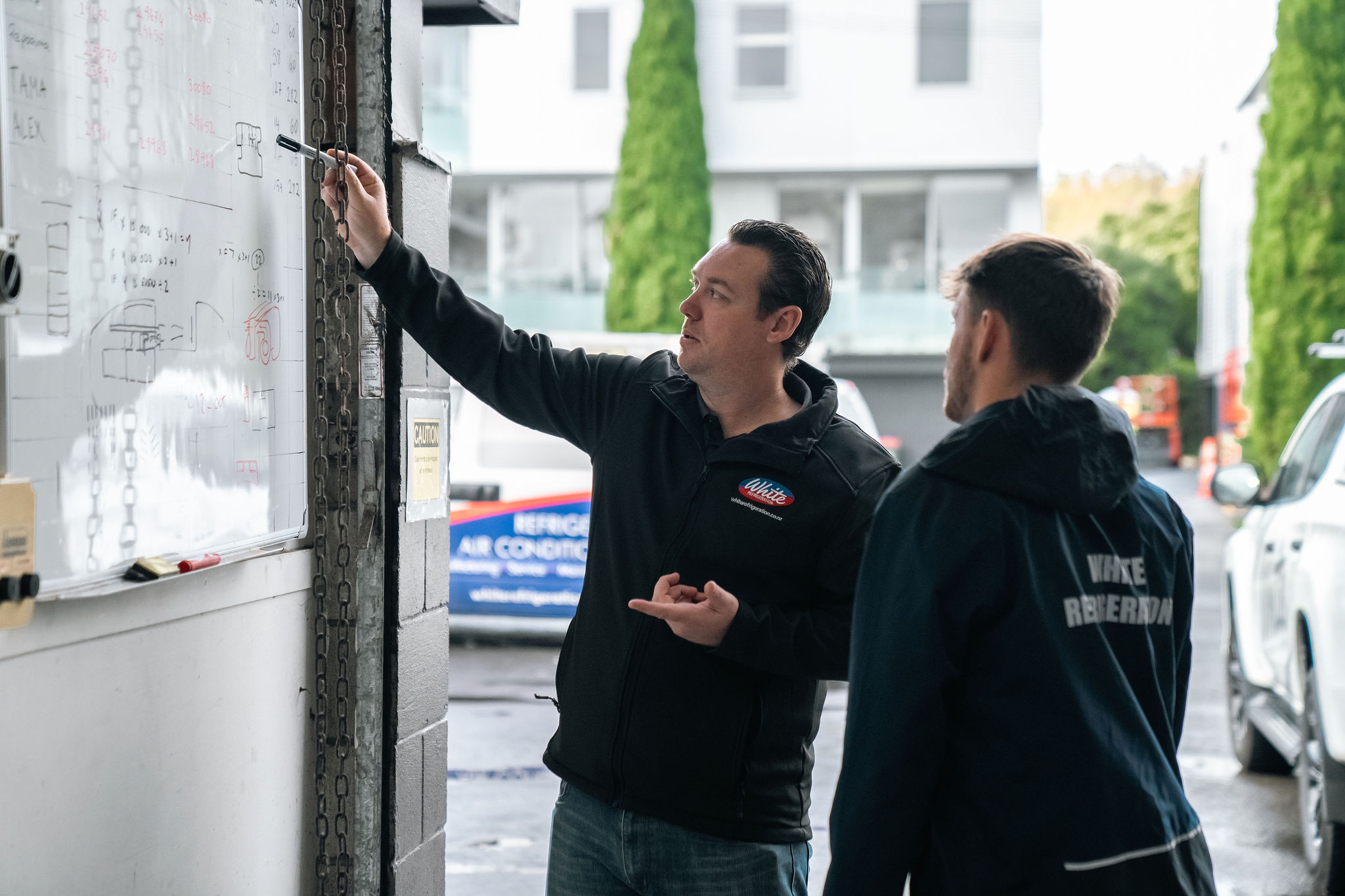
A cold storage upgrade completed three weeks ahead of handover, with a facilities manager who had walked the contractor through the site before a quote was even given, is a different experience to one where a schedule swings between stop and start for a year because the contractors weren’t walked through a final layout. Continuous, uninterrupted work is faster and cheaper than work that’s constantly paused and restarted. Every time a crew has to pack up tools and leave a site because a decision hasn’t been made yet, or to wait for another trade to catch up, you lose time you’ll never get back. Early engagement means the sequencing gets worked out before anyone is standing on site waiting for an answer. It sounds obvious, but Chris has experienced both sides.
“Being able to walk a client through the whole job before you quote makes a big difference. You can put together a far more comprehensive quote than a contractor who’s rushing towards a tender deadline with a week to get it ready.”
As Chris well knows, a cool room design drawn up without input from the people who’ll build and service it, doesn’t reflect operational reality. When a contractor is walked through a site early and understands the temperature ranges, the redundancy required, and the flow of product through a building, the solution fits the operation rather than the other way round. That might mean designing in full-system redundancy, (a completely duplicated, independent backup system capable of taking over 100% of the cooling load), so a single power failure never puts stock or compliance at risk, or by working out equipment placement room by room, you make use of existing plant rather than replacing it wholesale. None of that is possible if the brief arrives after the concrete has been poured.
Some problems only show up years after a project is finished, and by then they’re expensive to fix. A freezer room built without protection against cold transfer through the slab can, over time, let moisture through the floor below, damaging ceilings and disrupting the space underneath. Addressing that at the design stage, for instance with underfloor heating to stop the cold moving through the structure, costs more upfront but considerably less than the remediating alternative. Getting a specialist in early to explain the trade-off and getting buy-in from everyone with a stake in the decision, is what prevents that expensive bill turning up later.
White’s has been designing, installing, servicing, and maintaining commercial refrigeration and air conditioning systems for over 50 years.
If you’re planning a new facility, an upgrade, or a redevelopment, bring your contractor and engineers into the room while the design is still flexible. It costs less, takes less time, and gives you infrastructure built around how you work, not around assumptions made before anyone who’ll build it was consulted.
Get in touch with White Refrigeration before the drawings are finished. It’s the cheapest conversation you’ll have on the whole project.
Information in this article was accurate at the time of publication, but industry standards and regulations evolve frequently. Please consult with us directly for the most current guidance relevant to your specific situation.