
Flammable refrigerants: what are they, and why should you care?

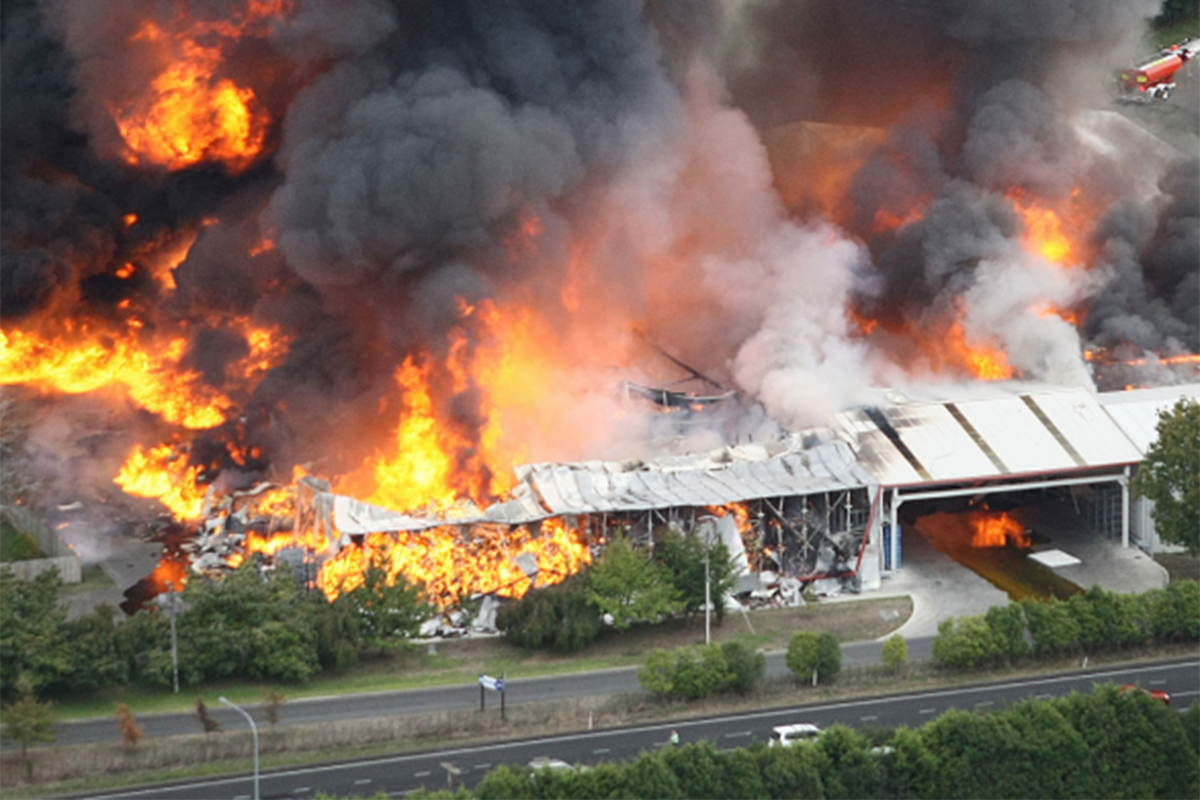
The 2008 fatal explosion and fire at Icepak Coolstores, a refrigerated storage facility in Tamahere, near Hamilton, was one of the worst industrial incidents in the country. The accidental ignition of highly flammable propane gas used as a refrigerant in the cool stores cooling system caused the propane to leak from the refrigeration pipes and build up inside the building. When firefighters arrived to investigate reports of a gas smell, the accumulated gas ignited, resulting in a massive explosion and fire. One firefighter was killed, seven others were seriously injured, and the coolstore was completely destroyed.

The incident raised serious questions about the use of highly flammable gases in refrigeration systems and the safety protocols in place. This led to increased awareness of the potential dangers associated with certain industrial cooling systems and prompted changes in New Zealand's regulations regarding the use of flammable refrigerants, as well as improvements in fire safety practices in industrial settings.

A growing awareness gap

Heating, ventilation, air conditioning and refrigeration (HVAC) are integral to modern life, maintaining our comfort and safety in many environments. However, the industry is undergoing a significant shift. Environmental concerns, particularly global warming and ozone depletion are driving a transition from traditional refrigerants to more eco-friendly alternatives. These new options, while better for the planet, introduce new challenges – notably, flammability.

In New Zealand, there's a growing awareness gap about the implications of this change. The industry faces several hurdles, including the phasing out of current refrigerants.

One critical aspect is selecting and managing the refrigerants used in HVAC systems. Building owners need to understand what these refrigerants are, their benefits, and the implications for building safety and system performance.

What are flammable refrigerants?

Refrigerants are vital substances that absorb and release heat, enabling HVAC (Heating, Ventilation and Airconditioning) systems to cool or heat spaces effectively.

They are a class of refrigerants that can ignite under certain conditions. These substances are categorised by their flammability levels, ranging from mildly flammable (A2L) to highly flammable (A3). Common examples include hydrocarbons like propane (R-290) and isobutane (R-600a), as well as some hydrofluoroolefins (HFOs).

A growing shift towards flammable refrigerants.

In recent years, there has been a growing shift towards the use of flammable refrigerants:

  1. Improved System Performance: Flammable refrigerants, particularly hydrocarbons and HFOs, are not only environmentally friendly but also offer enhanced system performance. These refrigerants have superior thermodynamic properties, which can lead to improved energy efficiency and cooling capacity of HVAC systems. This means that systems using flammable refrigerants can achieve the desired temperatures more quickly and use less energy in the process, resulting in lower operational costs and reduced energy consumption over time.
  2. Environmental Responsibility: Flammable refrigerants provide a more sustainable option for HVAC systems due to their lower global warming potential (GWP). By choosing refrigerants that are less harmful to the environment, building owners can reduce their carbon footprint and demonstrate a commitment to sustainability. This proactive approach can improve a building’s marketability, attracting environmentally conscious tenants and investors, and potentially qualifying the property for green certifications or incentives. In a report from Australia, providing air conditioning systems with low operational costs has been linked to increased rental returns and reduce turnover of tenants.
  3. Economic Considerations: While the adoption of flammable refrigerants may require additional safety measures, such as enhanced ventilation, gas detectors, and fire suppression systems, these initial investments can be offset by the long-term savings from improved system performance and reduced energy costs. Additionally, using environmentally friendly refrigerants may provide access to incentives or rebates from governmental and environmental organisations, further enhancing the economic benefits.
Information in this article was accurate at the time of publication, but industry standards and regulations evolve frequently. Please consult with us directly for the most current guidance relevant to your specific situation.
Like what you see?

Find out how we can help you.

Posted on Google Google
Mike Williams profile picture
Mike Williams
Google star 1Google star 2Google star 3Google star 4Google star 5Trustindex verifies that the original source of the review is Google.
SPCA New Zealand has worked closely with White Refrigeration across a range of HVAC maintenance, compliance, repair, and project works. Throughout our engagement, Wilson, Mike, and the wider team have consistently demonstrated professionalism, strong communication, and a solutions-focused approach. What stands out is their willingness to thoroughly investigate issues, clearly explain technical findings, and work collaboratively to achieve the best outcome. Their team provides regular updates, practical recommendations, and follows through on commitments, making it easy to manage projects and maintenance activities across a diverse property portfolio. We have particularly appreciated their support on complex HVAC remediation works, preventative maintenance planning, and their proactive approach to identifying potential issues before they become larger problems. Thank you to the White Refrigeration team for your ongoing support. We look forward to continuing to work together in the future.
Posted on Google Google
Janice Arendse profile picture
Janice Arendse
Google star 1Google star 2Google star 3Google star 4Google star 5Trustindex verifies that the original source of the review is Google.
Posted on Google Google
Ruhann Koegelenberg profile picture
Ruhann Koegelenberg
Google star 1Google star 2Google star 3Google star 4Google star 5Trustindex verifies that the original source of the review is Google.
I work with Whites in a commercial capacity, they are punctual and professional, often helping us out in a pickle. Their pricing is more than fair. I would highly recommend using Whites.
Posted on Google Google
Phil Hall profile picture
Phil Hall
Google star 1Google star 2Google star 3Google star 4Google star 5Trustindex verifies that the original source of the review is Google.
From the initial call to the job completion they kept me informed. The cost was what they said which was good compared to other prices. I highly recommend them
Posted on Google Google
Krishaneel Prasad profile picture
Krishaneel Prasad
Google star 1Google star 2Google star 3Google star 4Google star 5Trustindex verifies that the original source of the review is Google.
Posted on Google Google
The G profile picture
The G
Google star 1Google star 2Google star 3Google star 4Google star 5Trustindex verifies that the original source of the review is Google.
Posted on Google Google
Matt T profile picture
Matt T
Google star 1Google star 2Google star 3Google star 4Google star 5Trustindex verifies that the original source of the review is Google.
Posted on Google Google
Ben Johnsen profile picture
Ben Johnsen
Google star 1Google star 2Google star 3Google star 4Google star 5Trustindex verifies that the original source of the review is Google.
Posted on Google Google
Zoe B profile picture
Zoe B
Google star 1Google star 2Google star 3Google star 4Google star 5Trustindex verifies that the original source of the review is Google.
Very professional, quick to respond and solve issues. Highly recommended!
Totika logoEcovadis logo
Subscribe to our newsletter
Keep Up to Date. Join our newsletter today.

This field is for validation purposes and should be left unchanged.
Name(Required)